
LED Story
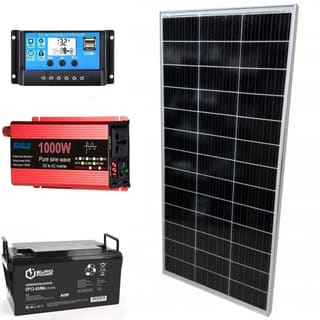
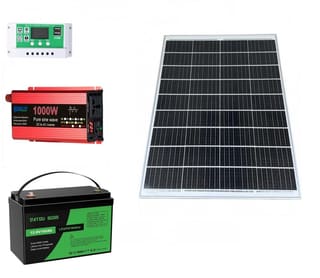
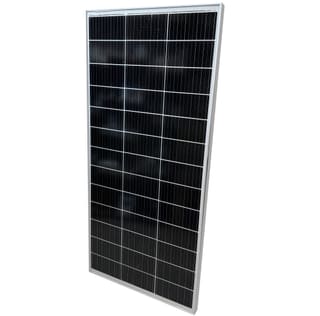
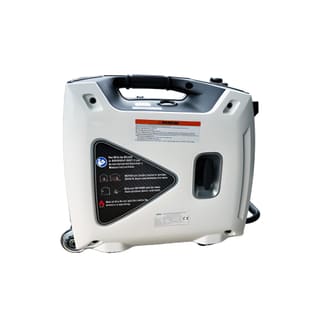
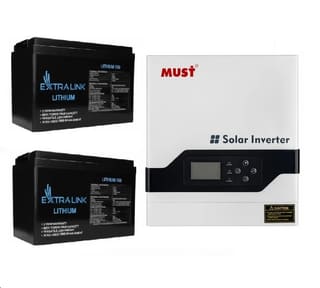
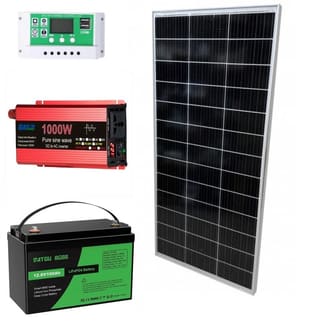
Портативная электростанция для дома 500Вт с солнечной панелью 200W и АКБ LiFePO4 12.8V 100Ah (1280W) инвертор 500Вт (макс 1000Вт) чистая синусоида + ШИМ 30А
200 Вт · 44 В · IP67
UAH 19,590In stock
Electrical
Energy
Lighting
LED screens and signage
Other sections
Solutions · energy
Inverters, LiFePO4 batteries, UPS, generators and solar panels for an office, shop, boiler room, server room or home. We start with the list of loads and the hours of autonomy — and only then choose the equipment.
What matters
The inverter must carry the sum of simultaneous loads with a 25% margin and withstand the start of the largest motor: pumps, compressors and fridges draw 2–3 times their rated power at start-up. A boiler, a fridge and any equipment with a motor need a pure sine wave.
Battery capacity is calculated from the watt-hours that have to be delivered over the autonomy period: E = ΣP × t ÷ η ÷ DoD. The system voltage follows the power: up to 1–1.5 kW — 12 V, 2–3 kW — 24 V, from 3–5 kW — 48 V.
Calculation
Switch on what has to keep running during an outage and say for how many hours. You get the inverter power and the battery capacity.
We size the inverter with a 25 % margin over the total load and check it against the starting currents of the fridge and pumps. Capacity assumes 90 % inverter efficiency and a working depth of discharge of about 90 % for LiFePO4 and 50 % for gel and AGM batteries.
How to size an inverter and batterySelect at least one load.
What we supply
Hybrid pure sine wave inverters, UPS units for boilers and server rooms.
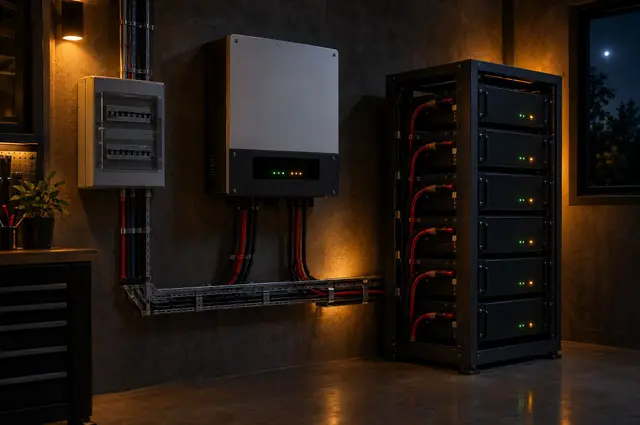
Inverter + battery, matched to each other by voltage and charging current.
Panels, MPPT controllers and ready-made stations for solar charging.
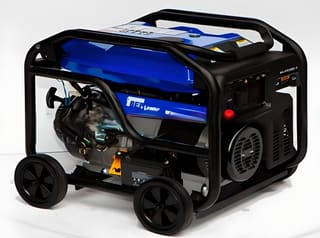
For long outages and loads with high starting currents.
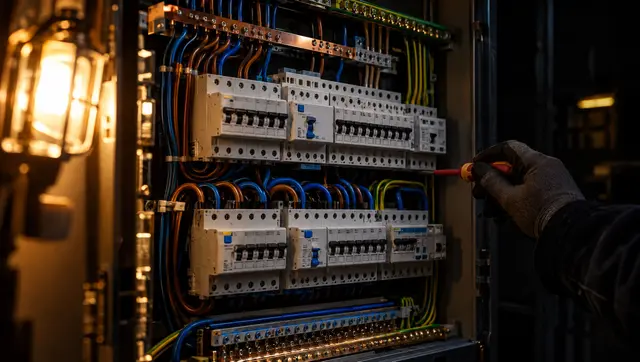
Cable rated for the battery current, circuit breakers and fuses on the DC side.
Send the list of loads and the hours of autonomy you need — we will select the system.
Energy
LED Story
200 Вт · 44 В · IP67
LED Story
200 Вт · 44 В · IP67
LED Story
100 Вт · 44 В · IP67
UKC
200 Вт · 38 В · IP67
LED Story
3024 Вт · 12 В · 1280 мА·ч
LED Story
100 Вт · 18 В · IP65
Optika
1,8 Вт · 180–240 В · IP40
LED Story
3024 Вт · 12,8 В · 2048 мА·ч
LED Story
5500 Вт · 25,6 В · 5120 мА·ч
Optika
7,5 Вт · 220 В · IP40
Questions
Enquiry